If you have never had Botox, the timeline can feel confusing. Some people swear they see a change the next day. Others wait two weeks and still feel unsure. As a clinician who has done thousands of Botox injections for forehead lines, crow’s feet, and frown lines, I can tell you there is a predictable pattern, but there is also variation. The trick is knowing what to expect day by day, what affects speed and strength of response, and how to judge results without second-guessing every expression in the mirror.
What Botox is doing under the surface
Botox Cosmetic is a purified neurotoxin that temporarily relaxes targeted muscles. It interrupts the signal that tells the muscle to contract. When contraction softens, dynamic wrinkles — the Ann Arbor botox lines you see with movement like smiling or frowning — smooth out. Static wrinkles, the ones etched into the skin at rest, can improve too, but they usually require more time or combination strategies such as gentle resurfacing or fillers if they are deep.
The science matters because it explains the timeline. Your nerve endings need a little time to stop communicating with the muscle. That process typically unfolds over several days. You won’t walk out of a Botox appointment with an instant freeze. You will walk out with the product placed where it needs to work, then the effect grows as the neuromuscular junction responds.
The typical Botox results timeline
Most healthy adults follow a similar arc after a standard Botox session for facial wrinkles.
Day 0: Right after your Botox injections, you will not look different in terms of movement. You might see tiny injection bumps that settle within 30 to 60 minutes. Makeup can usually be applied after a few hours if the skin looks calm. Mild pinpoint redness is common.
Days 1 to 2: Some people notice a hint of “lighter” movement, especially in strong frown lines, but it may be subtle. Do not mistake early heaviness from swelling for treatment effect. If you press or rub the area now, you risk shifting product, so hands off.
Days 3 to 4: This is the first moment many patients say, I think it’s starting to work. The 11’s between the brows soften when you try to scowl. Crow’s feet tug less with a big smile. Forehead lines begin to relax, though you may still see some rows of movement.
Days 5 to 7: Changes are clear. The treated muscles are significantly calmer, and the overlying lines are flatter. Makeup sits more evenly across the forehead. Photos taken under the same lighting begin to show a convincing before and after difference.
Days 10 to 14: Peak effect. What you see now is the result you should judge. If something looks uneven, if the outer brow lifts more than the inner, or a small band still pulls, this is the time to discuss a touch up. Most practices plan a check around two weeks since Botox results stabilize around this point.
Weeks 6 to 10: Everything still looks good for many patients. If you had strong baseline movement, you may notice micro twitches returning around week 8. The smoothing remains, but the muscle finds a little strength. People with finer skin and lighter lines often ride this phase longer.
Months 3 to 4: Botox longevity varies. Many patients feel results last three to four months. Some last closer to two and a half, others push five or more, especially with preventative Botox or smaller muscles like crow’s feet. Repeat timing depends on your goals and how expressive you are.
There are outliers. On rare occasions, people feel a change within 24 hours, especially with frown lines. A small number take a full 14 days to arrive at peak. Both patterns can be normal.
What changes the speed of response
Two people can get similar Botox dosage and placement yet notice results on different days. A few factors consistently shift the curve.
Muscle mass and strength: A heavy brow with a strong frontalis or masseters built from years of teeth grinding needs more units to achieve the same relaxation, and sometimes needs a few extra days to show its full effect. Fine, delicate crow’s feet often respond quickly with smaller doses.
Metabolism and activity: Highly active people, especially those who do endurance training, sometimes report faster fade. The onset speed can be average, but the tail end of effect shortens by a few weeks. This is not universal, but I hear it often enough to flag it.
Placement and technique: Micro dosing in a baby Botox approach can produce very natural movement with a slightly gentler onset. Concentrated dosing to correct deep 11’s can feel slower at first because the muscle is thick and the product needs time to reach effective binding.
Product choice: Botox vs Dysport vs Xeomin vs Jeuveau are all effective neuromodulators. Some patients experience a faster start with Dysport for certain areas, while others feel similar timelines across brands. Individual response patterns matter more than brand loyalty.
Repeat treatments: Regular Botox maintenance can create a rhythm. Muscles “learn” to stay calmer, and lines soften at rest. Patients on a steady schedule often enjoy smoother results with slightly less unit dosing over time, and sometimes a more predictable onset.
What early days really feel like
People worry about looking frozen. Good Botox for forehead lines and crow’s feet does not erase your personality. It quiets the overactive, crease-forming movement that tires your face. Early on, you may notice little things that feel odd only because you are paying attention. Raising your brows feels less effortful by day 4 or 5. The corners of your eyes don’t radiate as many lines when you smile big for a photo. Your frown looks less stern than it did last week. Friends may say you look rested, not ask if you had a procedure.
Tenderness is typically mild, more like a bruise from a blood draw than pain from dental work. Bruising can occur, especially around the eyes where vessels are superficial. If you have an event, schedule your Botox appointment at least two weeks prior to capture peak Botox results and give any bruises time to fade.
How to evaluate your Botox before and after
Most patients judge their Botox cosmetic results in the mirror under bathroom lighting, which can exaggerate every irregularity. For a fair comparison, use repeatable conditions.
- Take a set of baseline photos: neutral expression, raised brows, tight eyes, and frown, all at the same angle and distance. Repeat at day 7 and day 14. Use similar lighting: natural daylight near a window or a ring light. Harsh overhead light will highlight shadows that make lines look deeper.
Those two simple steps prevent most second-guessing. If you see continued asymmetric pull at two weeks, your injector can correct it with a tiny touch up dose. A Botox touch up interval is usually between days 10 and 21. After that, adjustments may still help, but you want to maintain a safe spacing to monitor total dosage.
What areas tend to show change fastest
The glabellar complex, the “11’s” between the eyebrows, often shows early improvement. Patients who habitually frown while concentrating notice that their resting face softens by day 3 or 4. Crow’s feet around the eyes also shift early, though bruising in this region can temporarily distract from the result. The forehead frontalis muscle can take a little longer because injectors usually tread carefully to avoid a heavy brow. Expect a steady, graceful quieting rather than a sudden switch off.
Special areas behave differently. A Botox brow lift for lateral arching shows in the second week. A Botox lip flip can be felt when sipping from a straw sooner than it is seen in photos. Masseter reduction for facial slimming and TMJ relief requires patience; the muscle relaxes within days, but visible contour changes emerge over weeks as hypertrophied muscle softens. For neck bands, banding lines blur gradually and often need a planned series.
How long Botox lasts and when to plan the next appointment
The average Botox effect duration for facial wrinkles is about 3 to 4 months. Some people book every 12 weeks like clockwork. Others extend to 16 or even 20 weeks once they reach a maintenance phase and prefer a touch of expression returning before the next Botox session. If you are preparing for a milestone event, aim to have your Botox appointment 3 to 4 weeks ahead. That window allows for peak effect and a small correction if needed.
If you are new and wondering how often you can get Botox or when to get Botox again, the safest cadence is at least 12 weeks between full treatments to minimize the theoretical risk of antibody formation. Most experienced injectors will tailor the plan based on your muscle response, desired look, and any functional goals like migraine relief or managing teeth grinding.
What affects how much Botox you need
There is no universal dosage. “How much Botox do I need?” depends on muscle strength, face shape, and personal preference for movement. For common areas, a range is typical. Frown lines may need 10 to 25 units, forehead lines 6 to 20 units, crow’s feet 6 to 15 units per side. Baby Botox and micro Botox approaches use lower doses distributed across more points to preserve subtle movement. Men often require higher units because of larger muscle mass. Strong masseters for jawline slimming can take 20 to 40 units per side or more, with the understanding that shape change is gradual.
Good injectors collaborate. They explain Botox dosage decisions in plain language, show where they plan to place product, and adjust based on your feedback at follow up. If you prefer natural looking Botox, say so. If you want to keep some brow lift for expression, that informs placement.
Comfort, downtime, and aftercare
Botox injections feel like quick pinches. On a sensitivity scale, it’s lighter than filler injections because Botox is placed superficially into muscle, not along the deeper tissue planes. Numbing cream is optional and often unnecessary. The whole Botox procedure takes 10 to 20 minutes, including mapping and photos.
Aftercare is simple. Avoid rubbing or massaging treated areas for the first several hours. Skip facials, saunas, or aggressive workouts for the rest of the day to reduce swelling spread. Sleeping on your face won’t ruin your Botox, but it’s wise to avoid pressure on fresh injection sites the first night. If you get a bruise, a cold compress right after treatment helps. Tiny headaches can occur the first day or two. Most patients return to work right away.
If you are wondering if you can work out after Botox, a moderate walk is fine. High heat classes, inversions, or vigorous exercise are better saved for the next day.
Side effects and safety
Is Botox safe? In healthy, non-pregnant adults without neuromuscular disorders and with proper dosing and technique, Botox has a long safety record. Typical side effects include temporary redness, swelling, and bruising. Headache can occur and usually resolves quickly. Rare side effects include brow heaviness, eyelid ptosis, or asymmetric smile if product diffuses to nearby muscles. These effects improve as the Botox wears off, and experienced injectors reduce the risk by careful placement and conservative first dosages.
If something feels off, communicate early. A droopy lid from glabellar injections might be supported with prescription eyedrops while it resolves. If smile dynamics feel uneven after a lip flip, time and small adjustments at follow up can help. Knowing when to call is part of what to expect with Botox: reach out if you see new double vision, swallowing difficulties, widespread weakness, or any symptom that feels systemic. Those are extremely rare, but worth noting.
What Botox can and cannot do for lines
Botox for wrinkles shines at dynamic lines. For deep creases that remain at rest, you may need a blended approach. Botox reduces the muscle contracting that folds the skin, while filler or collagen-stimulating procedures help plump or remodel etched lines. This is where Botox and fillers together can create a smoother canvas with natural expression. Examples include softening horizontal forehead lines with Botox while using a tiny amount of hyaluronic acid in a stubborn crease, or pairing crow’s feet Botox with light laser resurfacing.
For smile lines around the mouth, Botox is used cautiously to avoid weakening lip function. Fillers usually lead. For chin dimples or pebbled peau d’orange, small units of Botox can relax the mentalis and smooth texture. For a gummy smile, micro dosing can reduce upper lip elevation just enough to hide excessive gum show. Each of these requires a trained eye and a steady hand to preserve function.
Who tends to see slower or faster onset
Patients with very fine lines and modest muscle tone often see a faster onset and a glassier surface by day 4 or 5. Those with deeper, longstanding folds, sun damage, or heavy muscle pull often need the full two weeks to appreciate the change, and sometimes need a bit more product. Age plays a role, but not as much as you might think. I have patients in their 50s who respond faster than some in their 30s because of differences in muscle patterns and skin quality. Preventative Botox in younger patients tends to produce subtle, quick wins, mainly preventing new etched lines rather than erasing existing ones.
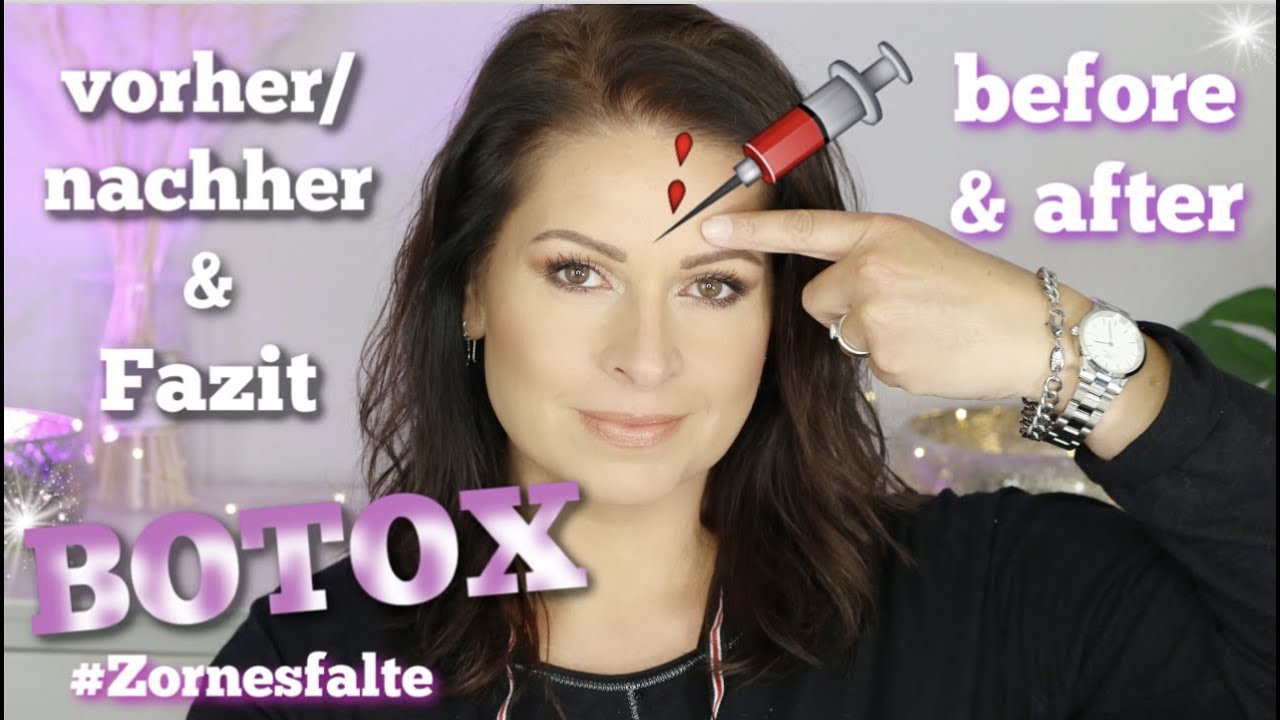
Cost, value, and expectations
Botox cost and price vary by region and expertise. Some practices charge per unit, others per area. Beware of Botox deals or specials that sound too good. Authentic product, safe storage, and experienced technique are worth paying for. Averages range widely, but think in terms of total value: how predictable the plan is, how natural your result looks at rest and in motion, and how smoothly touch ups are handled. If a clinic near me quotes unusually low numbers, I ask about unit counts, dilution, and whether a two week assessment is included. Transparent clinics are happy to answer.
First appointment flow and what to say
Your Botox consultation sets the tone for the result. Bring a short wish list: soften my frown, keep some forehead lift, reduce squint lines for photos. Show a few photos of yourself making expressions, or your usual concerns late in the day when you feel most tired. Ask about Botox procedure steps, where injections will go, expected Botox results timeline, and how fast Botox works for each area. Clarify aftercare and timing for a check. If you are brand new, starting with conservative dosing is wise. You can always add at the two week mark; removing excess effect requires time.
Special uses beyond wrinkles
Botox for migraine relief follows a different protocol and timeline than cosmetic Botox. Relief is more gradual and depends on repeated sessions. For excessive sweating or hyperhidrosis, especially the underarms, palms, or scalp, onset is often fast and dramatic, with dryness starting within a week and lasting several months. For TMJ pain, teeth grinding, or jaw tension, patients often feel relief within days, but slimming of the face from masseter reduction takes multiple weeks as the muscle mass decreases. These uses underscore that Botox is not simply a beauty treatment, it is a versatile tool when used thoughtfully.
Myths, facts, and getting a natural result
A few myths persist. No, Botox does not accumulate in your system year after year. The effect is temporary. No, you will not become “addicted,” though you may prefer the relaxed look. Can Botox be reversed? Not in the way filler can be dissolved. The antidote is time and careful touch ups to counterbalance. Does Botox hurt? The sensation is brief, with fine needles and a steady hand making the difference. Is Botox for men and women? Yes, though patterns of dosing differ because of muscle mass and goals.
Natural looking Botox is less about a specific unit count and more about mapping your unique expression. When I examine a face, I look at dominant pull patterns, brow asymmetry, eyelid position, and the interplay of frontalis, corrugator, and orbicularis oculi. I avoid over-treating the lower forehead in patients with heavy lids. I spare brow tail lift for those who already arch strongly. Subtle Botox is an art of subtraction: quiet the wrinkle makers, preserve the signalers of emotion.
When results seem off and how to fix them
Occasionally, Botox gone wrong shows as eyebrow peaks, a flat forehead with heavy lids, or an uneven smile after a lip flip. Most issues are fixable with small, targeted doses and patience. The Spock brow, that sharp little peak near the outer brow, is tamed by a drop of Botox just under the peak. A heavy brow from over-treating the frontalis needs time, but a small lateral brow lift can ease the look while you wait. If glabellar dosing was too light and frown still pulls, a touch up restores balance.
The key is respectful communication. Show your before and after photos. Be clear about where you feel heaviness or movement. A skilled injector will explain options. If trust is broken, it is reasonable to seek a second opinion, but let enough time pass before starting over to avoid stacking effects without a clear baseline.
Beyond the first two weeks: maintaining your result
Botox longevity benefits from rhythm. A consistent interval helps you arrive for the next appointment before etched lines rebuild. If you are on a preventative path, aim for the longest interval that keeps your skin smooth at rest while preserving expression. If you like a stronger reduction in movement, your interval may be shorter. Pay attention to the first signs of fading: deeper creases reappearing by midday, makeup settling into lines, or noticing your default frown when concentrating.
Skincare can support your investment. Daily sunscreen protects collagen so lines do not deepen. A retinoid used at night helps resurface fine lines over months. Hyaluronic acid serums improve the way makeup sits over Botox-smoothed skin. These are quiet helpers that extend the benefits.
Practical tips for your next Botox appointment
- Book a check near day 14, even if you think you will not need it. It is easier to fine tune then than three weeks later. Avoid blood thinners like fish oil, high-dose vitamin E, or non-essential NSAIDs for a few days prior if your doctor approves, to reduce bruising risk.
Two small habits, two outsized outcomes. Patients who follow them report cleaner results and fewer what ifs.
A note on alternatives and combinations
Some patients ask about Botox alternatives or whether Botox vs fillers is the better choice. It is not either-or. If your lines are purely movement-based, Botox does the heavy lifting. If you have volume loss, fillers or biostimulators add structure. If you prefer a lighter touch or want to test the waters, baby Botox or micro Botox is a way to learn how your face responds. Skin treatments like microneedling, light peels, or laser can be layered between sessions to chase texture and pigment while Botox manages movement.
If cost is a concern, prioritize the areas with the highest emotional return. For many, that is the frown lines. They communicate mood even when you feel neutral. Forehead lines come second, crow’s feet third, unless photos or on-camera work make eye area smoothing more valuable to you. Discuss Botox price openly. Some clinics offer loyalty programs and occasional Botox specials or offers. Use them if they do not push you into over-treatment.
Bottom line: how fast does Botox work and what is realistic
Plan to notice early signs by day 3 to 5, a convincing change by day 7, and your true result at day 14. Expect the peak to hold for several weeks, nearby botox clinics then a gradual return of movement over months. If you want the best Botox results, communicate clearly, document with consistent photos, and show up for a two week check when possible. Keep your expectations tied to anatomy and dosing, not to a friend’s story or a filtered photo.
Botox is a reliable tool when you use it with intent. Whether you are smoothing a furrow, lifting a tail of the brow, easing jaw tension, or dialing down a gummy smile, the timeline rewards patience. Give it the two weeks. Resist the urge to chase tiny asymmetries on day 4. Then make thoughtful adjustments with your injector. That is how subtle Botox looks natural in motion and how your results look as good in a candid laugh as they do in a posed selfie.